


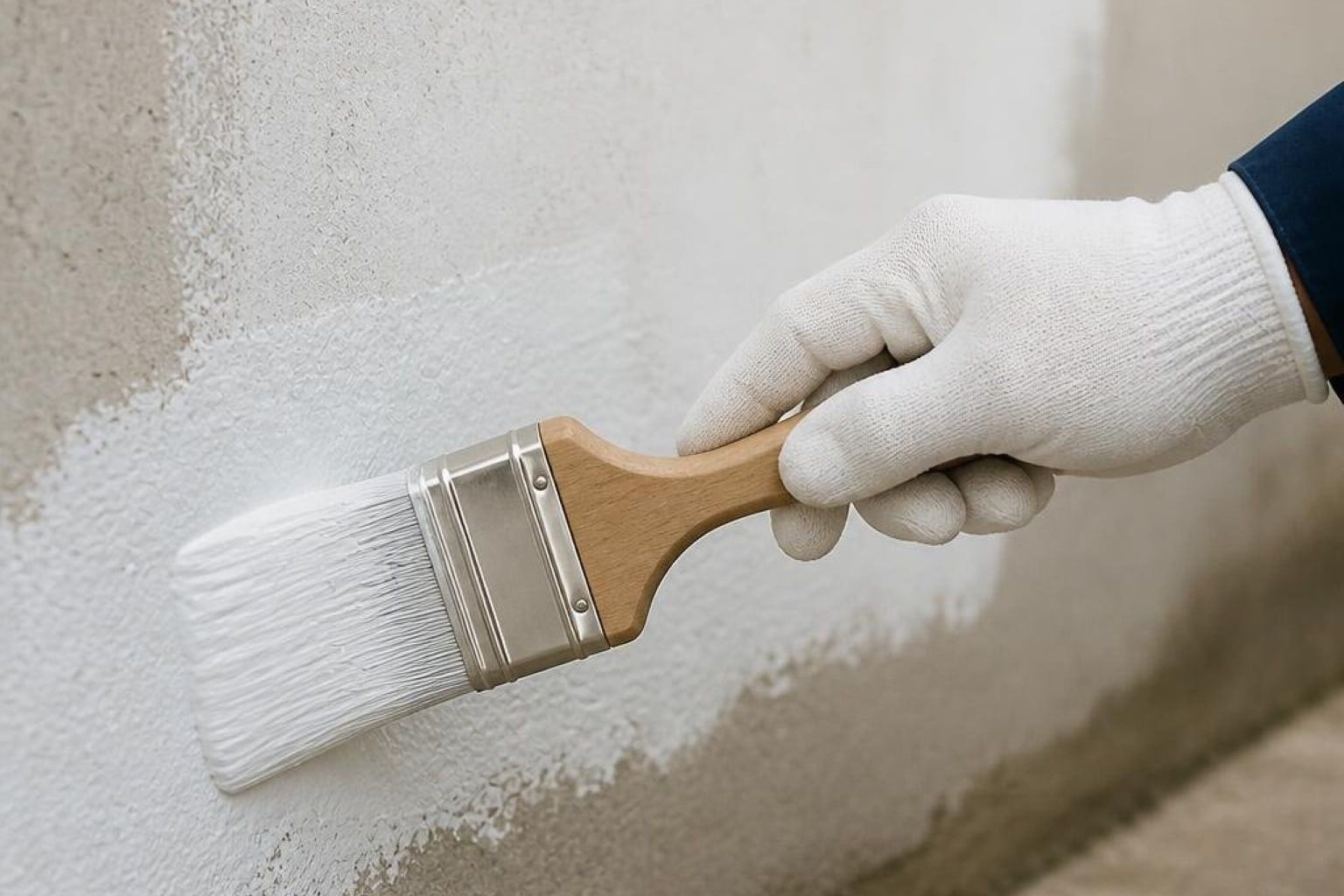
How Much Does Damp Proofing Cost? A Complete Guide
Damp proofing cost is one of the most common concerns for UK homeowners dealing with unwanted moisture and damp problems in their property. Damp affects homes of all ages, from older terraced houses and detached houses with solid walls to modern constructions, but the cost of damp proofing treatment can vary significantly depending on the cause and severity of the issue.
It’s important to remember that damp is not a diagnosis; it’s a symptom of an underlying issue such as condensation, rising damp, penetrating moisture, or below-ground water ingress. The damp proofing process involves identifying the root cause through a professional damp survey and then choosing the appropriate damp proofing solution. In this guide, we break down realistic damp proofing prices by treatment type, helping you understand what influences pricing and where investment is most effective, drawing on Kingfisher’s experience in practical, long-term damp protection systems.
What Affects Damp Proofing Cost?

There is no single fixed damp proofing course cost because pricing depends on several key factors. The type of damp, the extent of damage, the construction of the property, and site access all influence the overall investment required.
Type of Damp
The underlying cause has the biggest impact on the cost of damp proofing.
- Rising damp often involves installing or repairing a damp proof course (DPC) or proof membrane near ground level, removing contaminated plaster, and replastering with salt-resistant materials. This may require injection damp proofing or chemical damp proof treatments to treat rising damp effectively.
- Penetrating damp may require masonry repairs, repointing, or waterproof coating applied to external walls to stop water ingress at the source.
- Condensation is usually the least expensive to address, often resolved through proper ventilation or damp proof paint to control mould growth.
- Basement water ingress typically requires structural waterproofing systems such as tanking or cavity drain membranes, which are more complex and higher cost.
Correct diagnosis is critical, as damp proofing work depends on treating the right issue to avoid unnecessary expenses.
Extent of Damage
A small, localised damp issue will cost significantly less to repair than a ground floor or multiple rooms affected by long-term moisture.
Cosmetic repairs, such as redecorating or treating minor peeling paint, are generally lower cost. However, where damp has led to structural damage, timber decay, or widespread plaster failure requiring plaster removal and excess plaster replacement, the investment increases accordingly.
Property Type
Construction style also plays a role.
- Victorian solid wall properties or a terraced house may require breathable systems and careful plaster specification.
- Cavity wall homes can present different moisture paths and repair methods.
- Basement conversions often require full structural waterproofing design.
- Listed or heritage properties may require specialist materials, such as lime-based mortars, which can influence labour and material costs.
Older properties often require more preparation and compatible materials.
Access & Labour
Practical site conditions can significantly affect pricing.
- Easy internal or external wall access generally keeps labour costs lower.
- External excavation for below-ground waterproofing increases time and equipment requirements.
- Scaffolding may be necessary for high-level masonry repairs or repointing, adding to overall project cost.
In many cases, labour and access considerations account for a large proportion of the total damp proofing expense, particularly where structural work is involved.
Damp Proofing Cost by Type of Treatment
Damp proofing cost varies primarily according to the type of moisture issue and the level of repair required. Some treatments involve simple surface improvements, while others require structural intervention and internal reinstatement. The table below outlines typical UK price ranges and what influences them.
|
Type of Damp |
Typical UK Cost Range |
What’s Included |
Why Costs Vary |
|
Rising Damp Treatment |
DPC injection: £70 to £150 per linear metre |
Installation of chemical DPC and removal/ replacement of salt-contaminated plaster |
Salt contamination and plaster replacement increase labour and material costs. |
|
Penetrating Damp Repair |
Masonry repairs: £300 to £1,500 Repointing: £40 to £80 per m² |
Repair of external defects such as cracked render, failed pointing or damaged masonry |
Costs depend on extent of external damage and access requirements. |
|
Condensation & Mould Treatment |
Anti-mould paint: £30 to £70 per room |
Ventilation improvements and mould control coatings |
Usually lower cost as structural repairs are not typically required. |
DIY vs Professional Costs
When considering damp proofing cost, the choice between a DIY product system and professional installation depends on the scale and complexity of the issue. The comparison below outlines the key differences:
|
DIY Product System |
Professional Installation |
|
Lower upfront cost |
Higher initial cost |
|
Suitable for minor, localised damp |
Required for structural or widespread issues |
|
Appropriate for condensation-related problems |
Essential for basement waterproofing and structural tanking |
|
Can be applied by competent DIY users |
Includes formal survey and diagnosis |
|
No installation guarantee |
Often supplied with workmanship guarantees |
|
Risk of misdiagnosis if cause is unclear |
Professional assessment reduces risk of incorrect treatment |
DIY damp proofing products, such as damp proof course injection creams, anti-mould coatings, and damp-resistant paints, can be effective when the cause of moisture is clearly identified. Kingfisher systems are designed to provide practical, long-term performance when correctly specified and applied.
However, where damp involves structural movement, below-ground water ingress, or extensive plaster contamination, professional intervention is usually the more appropriate and secure route. Selecting the correct approach at the outset helps prevent repeat costs and ensures the damp proofing installed performs as intended.
Hidden Costs of Ignoring Damp

Ignoring damp may appear to save money initially, but it often leads to significantly higher long-term costs. Key risks include:
- Timber rot: Moisture can damage floor joists, skirting boards and structural timbers, leading to costly replacement work.
- Structural movement: Prolonged water exposure can weaken masonry and contribute to cracking or instability.
- Mould-related health risks: Ongoing damp conditions can affect indoor air quality and increase respiratory concerns.
- Decreased property value: Damp identified during professional damp survey can reduce buyer confidence and impact resale value.
- Repeated decorative repairs: Repainting, replastering, and replacing finishes becomes an ongoing expense if the root cause is not resolved.
In many cases, the financial risk of ignoring damp exceeds the initial typical cost of damp proofing treatment required to address it properly.
How to Reduce Costs
While proofing prices can vary depending on the issue, there are practical steps that help keep expenses under control.
- Act early: Treating damp at the first signs of staining, mould, or minor deterioration is far less expensive than waiting until structural damage or extensive plaster removal is required.
- Ensure correct diagnosis first: Identifying the true cause, whether condensation, rising damp, or penetrating moisture, prevents spending money on ineffective treatments.
- Fix external defects promptly: Addressing cracked render, damaged pointing, or blocked gutters early can stop water ingress before internal repairs become necessary.
- Improve ventilation: Many condensation issues can be reduced with better airflow, extractor fans, or humidity control, avoiding more invasive solutions.
- Use breathable coatings: Selecting appropriate, vapour-permeable systems helps manage moisture properly and reduces the risk of recurring damp.
Taking a measured, informed approach helps ensure that damp proofing prices remain proportionate and that solutions perform effectively over the long term.
Is Damp Proofing Worth the Cost?
In many cases, damp proofing is a practical investment rather than an avoidable expense. Unresolved damp can affect property value, particularly if identified during a mortgage survey, and may lead to price reductions or delays in a sale.
Insurance policies rarely cover gradual deterioration caused by moisture, meaning repairs often fall to the homeowner. Addressing damp early helps prevent damp from causing structural damage, preserve resale value, and reduce the risk of more expensive remedial work later.
Final Thoughts

There is no single, fixed damp proofing cost. Every property is different, and accurate diagnosis through a detailed damp survey is what ultimately determines the most appropriate and cost-effective solution. Treating the symptom rather than the cause can lead to repeat expenditure and ongoing frustration.
The cheapest option is not always the most economical in the long term. Correctly specified systems, applied in the right context, provide durable protection and reduce the risk of recurring damage. If you are unsure which approach is suitable, exploring Kingfisher Building Products’ damp proofing options or speaking with our technical team can help ensure the issue is assessed correctly before damp proofing work begins.
Frequently Asked Questions
Is damp proofing covered by insurance?
In most cases, standard home insurance does not cover damp caused by gradual deterioration, condensation, or poor maintenance. Rising damp covered by insurance is rare unless it results directly from an insured event, such as a burst pipe or storm damage. Always check your specific policy wording for confirmation.
How long does damp proofing last?
The lifespan depends on the system used and correct installation. Injection damp proofing systems can last 20 years or more, external coatings often provide 10–15 years of protection, and properly specified basement waterproofing systems can deliver long-term performance when maintained appropriately.
Can I damp proof a wall myself?
Minor condensation issues or small, clearly diagnosed damp areas can often be treated using suitable DIY products. However, structural damp, extensive rising damp, or below-ground water ingress typically require professional assessment to ensure the correct solution is specified.
How much does a new damp proof course cost?
There is no set amount as pricing depends on several factors but an average cost for a new damp proof course ranges from £70 to £150 per linear metre, depending on the size of the affected area, property type, and condition of the internal walls. Damp proofing costs increase if damaged plaster needs replacing or if moisture has affected multiple rooms. A professional damp proofer can provide an accurate quote after assessing the cause and extent of the damp, ensuring the correct treatment protects the structural integrity of the property.
Author: Jamie


